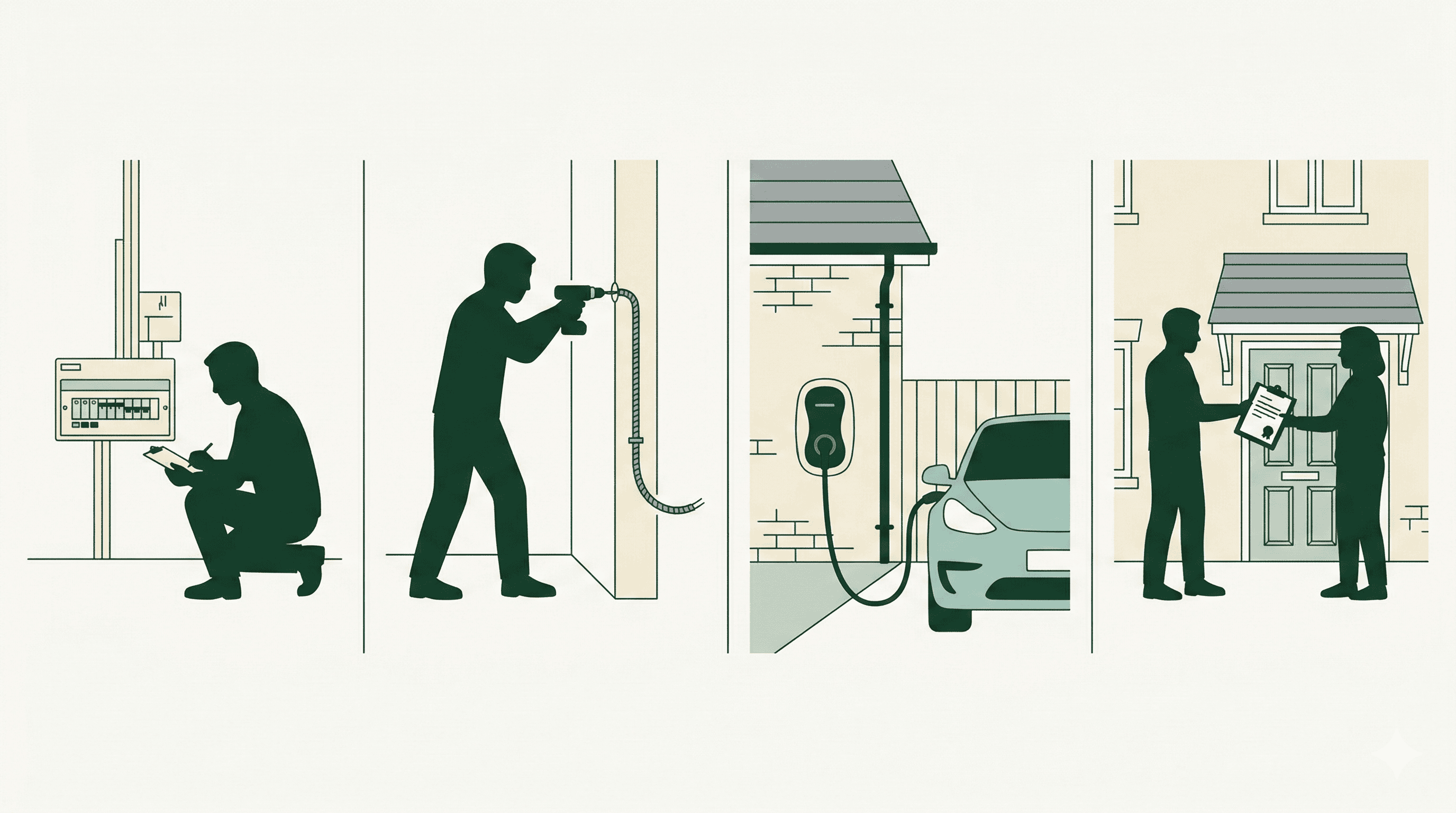
Harrow's residential character is defined by its extensive collection of 1930s semi-detached properties, largely developed during the expansion of the Metropolitan Railway. These homes often feature private driveways, which typically make off-street EV charger installation straightforward and efficient. However, the borough also contains areas of significant historical importance, such as Harrow on the Hill, where conservation area status may impose specific planning constraints on the placement and visibility of charging units. Furthermore, the high density of housing in certain neighbourhoods can occasionally place strain on local electrical capacity. Experienced local installers understand these nuances, recognising when to coordinate with UK Power Networks regarding supply limitations and how to navigate council guidelines to avoid planning delays. Relying on someone who knows these streets intimately ensures that technical hurdles — from cabling through older wall structures to checking grid connection capacity — are handled proactively, saving homeowners time and unnecessary stress.
▸Harrow on the Hill — This area is characterised by its historic village atmosphere, steep topography, and numerous conservation areas. Properties here often feature period architecture, requiring sensitive and discreet installation approaches. Installers must be particularly mindful of planning permissions and heritage restrictions. Given the narrow roads and specific property layouts, cable routing often requires creative, concealed solutions to maintain the visual integrity of these traditional homes while providing modern, reliable electric vehicle charging performance.
▸North Harrow — North Harrow is predominantly composed of traditional 1930s suburban semi-detached housing, offering some of the most accommodating layouts for EV charger installations in the borough. With generous driveway space, most properties here allow for standard wall-mounted units without complex groundworks. The area remains a popular choice for families looking for reliable, future-proofed home energy solutions, and the relatively modern electrical infrastructure in these post-war developments generally supports the installation of standard 7kW smart chargers with minimal grid intervention.
▸Kenton and Queensbury — These areas feature a high density of residential streets, often with a mix of terraced and semi-detached homes. Many residents benefit from private driveway access, though the high density can occasionally lead to localised electrical demand challenges. Installers in these neighbourhoods frequently encounter the need to assess the capacity of existing consumer units before committing to a charger install. The active community interest in home energy technology here makes this a hub for smart-tariff-ready charging setups that maximise overnight savings.
▸Wealdstone — Wealdstone presents a more mixed landscape, combining traditional residential streets with ongoing regeneration projects and newer apartment developments. For the older housing stock, the primary consideration for installers is ensuring the existing electrical supply is modern enough to handle the load of a 7kW fast charger. As the area evolves, both tenants and homeowners are increasingly seeking professional guidance on how to optimise their setup within tighter urban footprints and shared parking environments.